|
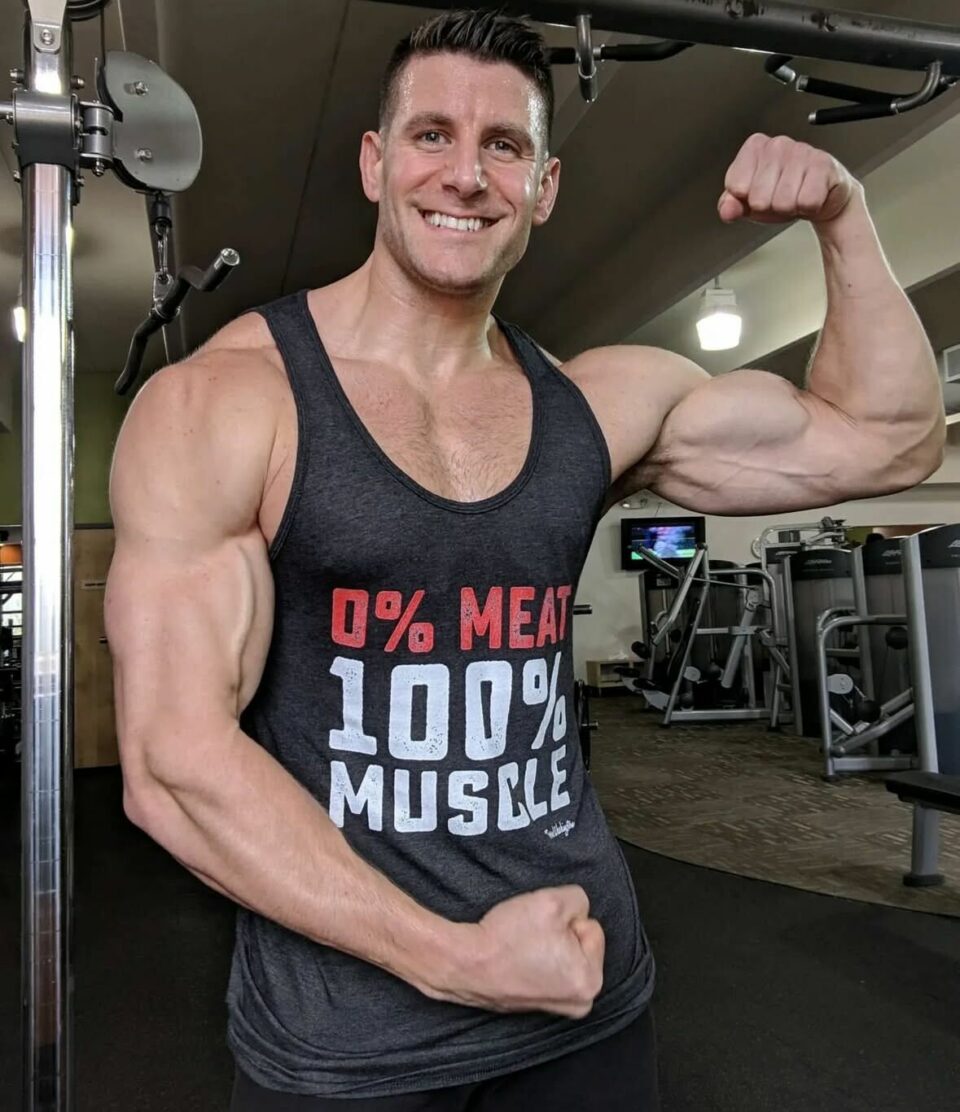
We had the pleasure of talking with Ronnie Penn about his military service, his work as a chef and a coach, and what Veterans Day means to him. We hope you enjoy this interview.
|
 |
Thank you for your service, Ronnie. We’re honored to speak with you today. Can you start by sharing a bit about your background? What inspired you to enlist, and when did your military journey begin?
I grew up wanting to serve something bigger than myself, and the Marine Corps gave me that opportunity. I enlisted in 2004 and deployed to Iraq during Operation Iraqi Freedom and to Afghanistan from 2012 to 2014. Later, I served in the Coast Guard as a chef, which opened a whole new chapter in how I looked deeper into nutrition. Service taught me discipline, resilience, and the importance of teamwork—qualities I carry into everything I do today.
How did your time in the military shape who you are today? Is there anything in particular about your service that you would like to share?
The military taught me to stay calm under pressure and adapt quickly. Whether it was on deployment overseas or working with my shipmates in the galley, I learned how much impact food, mindset, and discipline can have on performance and morale. Those lessons shaped who I am now—not only as a veteran, but also as a coach who helps others take control of their health.
Were there any habits or disciplines from your military experience that helped in your transition to plant-based living or in your work today as a coach?
Two habits stuck with me: structure and accountability. In the Marines, every detail mattered. That same mindset helps me stick to meal prep, training schedules, and coaching clients. It also made the transition to plant-based eating easier because I was already used to planning ahead and being intentional about what I put into my body.
You’ve spoken about health issues that arose during competition prep, which ultimately led you to switch to a plant-based diet. What symptoms were you experiencing at the time, and what physical or medical changes did you notice after the transition?
When I was competing in bodybuilding, I pushed my body hard—lots of animal protein, supplements, and restrictive dieting. Over time, I developed digestive issues and constant fatigue. Switching to a whole food, plant-based diet changed everything. My digestion improved, and my energy came back. It was eye-opening to see how quickly the body can heal when you give it the right fuel.
Did you encounter any challenges accessing or preparing plant-based foods during active service? How did you make it work in that environment?
Back then, plant-based options were limited, especially on deployment. I loaded up on oatmeal, beans, rice, fruits, and vegetables whenever I could, and I had to get creative, too. I learned how to make simple meals with what was available, and that creativity carried into my role as a chef in the Coast Guard.
Were there any particularly memorable reactions from your shipmates or peers when you introduced them to plant-based meals as a chef in the Coast Guard?
At first, my shipmates were skeptical. But once I started cooking hearty meals, like lentil stews, veggie burritos, or black bean burgers, they were surprised by how satisfying plant-based food could be. I still remember one crew member saying, “I didn’t even miss the meat.” Moments like that showed me how powerful food can be in changing perceptions.
You’ve become a vocal advocate for plant-based eating in high-performance settings. Are there any particular studies or sources that informed or reinforced your choices?
The work of Dr. Greger and NutritionFacts.org has had a huge impact on me. I also leaned on research from the Physicians Committee for Responsible Medicine (PCRM) and books like The China Study. Seeing the science laid out gave me confidence that a plant-based diet wasn’t just personal preference; it was evidence-based. Also, the Netflix documentaries What the Health and Forks Over Knives were also extremely effective influences.
In your opinion, how can education about preparing whole plant foods be a path forward for people to achieve better health?
Education is the key. When people learn how to prepare whole plant foods in simple, tasty ways, it removes the intimidation factor. Once they see how it can lower blood pressure, improve energy, and even prevent chronic disease, it clicks. Food literacy is one of the most powerful tools we have for better health.
Please tell us about your online personal training program and app. What inspired you to start these projects, and how do they help you reach more people with your message?
I started my online fitness coaching because I wanted to reach people beyond the gym. Not everyone can afford a trainer, but most people have a smartphone. Through my training app, I provide meal plans, workout routines, and a grocery list with accountability check-ins. It’s a way to scale what I do—helping people take small, daily steps toward a healthier life.
Lastly, what does Veterans Day mean to you? Is there anything you would like to share with your fellow veterans?
Veterans Day is a moment of reflection for me. It’s about honoring the sacrifices of those who served, as well as reminding myself to live in a way that makes that service meaningful. I want to encourage other veterans to take care of themselves, not just physically, but mentally and emotionally, too. We served our country; now it’s time to serve ourselves by living healthy and purposeful lives.
To learn more about Ronnie, visit his website: https://www.ronniepenn.com/
from NutritionFacts.org https://nutritionfacts.org/blog/celebrating-veterans-day-with-ronnie-penn/
via IFTTT


 Frank Herd